


How GI Wire Is Manufactured: Step-by-Step Process
Galvanized Iron (GI) wire is one of the most widely used metal products across industries like construction, agriculture, manufacturing, and fencing. Its strength, corrosion resistance, and affordability make it indispensable for everyday applications — from binding and wiring to creating sturdy fencing solutions.
If you’ve ever wondered “How is GI wire made?”, this blog breaks down the entire manufacturing process into clear, easy-to-understand steps — from raw materials to finished product.
What Is GI Wire?
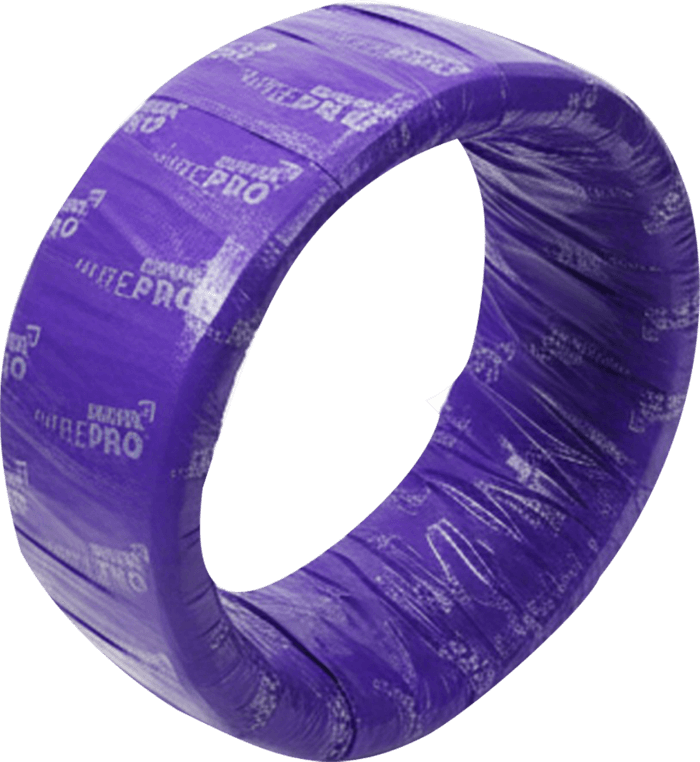
GI wire is essentially iron or mild steel wire coated with zinc to protect it from rust and corrosion. The zinc coating acts as a shield, ensuring durability even in harsh conditions. Because of this protection, GI wire lasts longer than plain iron or steel wire.
Raw Materials Used
To manufacture GI wire, you primarily need:
- Mild Steel Wire Rods: These are coils of steel that serve as the base metal.
- Zinc: The coating metal that protects the steel from corrosion.
- Flux Chemicals: Used to clean the steel surface for better zinc adhesion.
Step-by-Step GI Wire Manufacturing Process
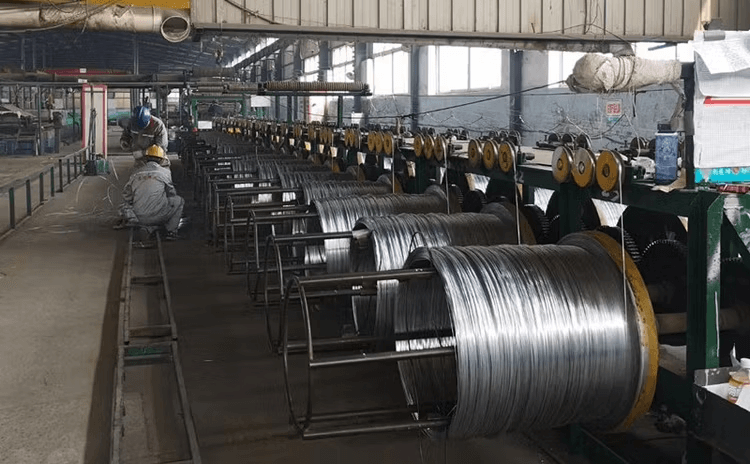
Here’s how GI wire is made, step by step:
1. Selection of Wire Rods
The process begins with high-quality mild steel wire rods. These rods are specifically chosen based on required diameter and strength, as they will determine the final quality of the GI wire. The better the grade of wire rod, the stronger and more consistent the final product.
2. Cleaning and Surface Preparation
Before coating, the steel rods must be completely clean. Any rust, dirt, oil, or mill scale can weaken the zinc’s ability to bond with the surface.
This step usually involves:
- Degreasing: Removing oil or grease from the surface.
- Pickling: Immersing the rods in an acid solution to remove rust and scale.
- Rinsing: Thorough washing to remove all chemicals.
Only when the surface is clean and bright can the zinc adhere properly.
3. Drawing the Wire to Size
Once clean, the wire rod is pulled through a series of dies in a wire drawing machine. Each die shrinks the diameter slightly. This repetitive drawing:
- Refines the diameter
- Improves strength
- Improves surface smoothness
This process continues until the wire reaches its final desired thickness.
4. Galvanization (Zinc Coating)
This is the heart of the GI wire manufacturing process.
There are two main methods of galvanization:
Hot-Dip Galvanizing
The most common method involves:
- Heating the cleaned wire
- Passing it through a molten zinc bath
- Drawing it out and allowing it to cool
The hot zinc reacts metallurgically with the steel to form several layers of zinc-iron alloy topped by pure zinc. As a result, the coating is durable and long lasting.
Electro-Galvanizing
In this method, zinc is applied using an electrical current, resulting in a thinner, more even coating. Electro-galvanized wire is typically used when precise coating thickness is required.
5. Cooling And Coating Inspection
After galvanizing, the wire is cooled either by air or water quenching. Then comes quality inspection:
- Visual checks for uniform coating
- Thickness measurements
- Testing for adhesion strength
This step ensures every meter of wire meets quality standards.
6. Spooling and Packaging
Once approved, the GI wire is:
- Wound onto reels or coils
- Tagged with size, weight, and grade
- Packed in protective material
GI wire must be packaged carefully to prevent damage to the zinc coating during transit and storage.
Why GI Wire Is Widely Used
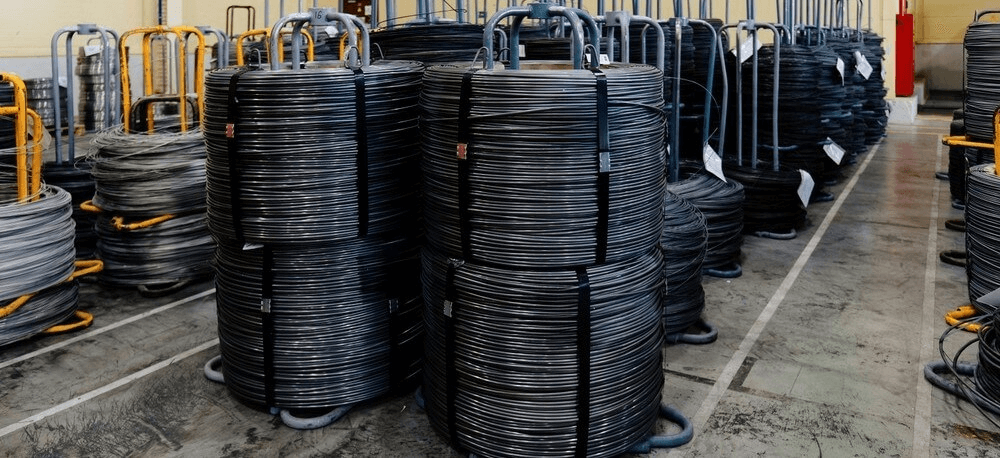
Because of its protective zinc coating, GI wire boasts:
- Corrosion resistance in wet and humid environments
- Good tensile strength
- Long service life
- Low maintenance cost
- Versatility — from household use to industrial applications
Whether it’s used for tying rebar on a construction site, making fences for farms, or creating binding wire for packaging, GI wire delivers reliable performance.
Benefits of Quality Manufacturing
GI wire quality depends heavily on:
- Purity of zinc used
- Cleanliness of steel surface
- Uniformity of coating
- Precision of wire drawing
High-quality manufacturing translates to longer life, better strength, and greater value — which is why choosing trusted manufacturers and suppliers matters.
Frequently Asked Questions (FAQ)
1. What’s the difference between GI wire and plain steel wire?
GI wire has a protective zinc coating that prevents rust, while plain steel wire corrodes faster when exposed to moisture.
2. What are the common grades of GI wire?
GI wire grades differ based on zinc coating thickness. Thicker coatings offer better protection but cost more.
3. Can GI wire be used outdoors?
Yes — GI wire’s zinc coating makes it ideal for outdoor use, especially in wet, coastal, or humid conditions.
4. How is the thickness of the zinc coating measured?
Zinc coating thickness is measured using specialized gauges during inspection to ensure standards are met.
5. What industries use GI wire the most?
Construction, agriculture, fencing, manufacturing, and utility industries are the major users.
6. Is GI wire recyclable?
Yes — both the steel core and zinc coating can be recycled.
7. How long does GI wire last?
With good quality and proper conditions, GI wire can last many years before showing signs of corrosion.
8. Are there alternatives to GI wire?
PVC-coated wire and stainless steel wire are alternatives, but GI wire remains more cost-effective in many applications.
9. Can GI wire be bent or shaped easily?
Yes — GI wire is flexible and can be bent or twisted for tying, binding, or fencing tasks.
10. How should GI wire be stored?
Keep coils dry, covered, and off the ground to prevent moisture accumulation.
Conclusion: Choosing Quality You Can Trust
Understanding how GI wire is manufactured helps you appreciate the science and precision behind this simple yet essential product. From rigorous surface cleaning to accurate galvanizing, every step matters — and choosing high-quality wire makes a real difference in performance and durability.
If you want construction-ready materials and dependable steel products, check out Sunvik Steels Pvt Ltd — a trusted provider of premium construction steel and TMT bars. Their commitment to quality ensures you get strength, reliability, and long-lasting performance with every purchase.
Visit https://sunviksteels.com/ today to explore their range and make your next project stronger with high-quality steel.


