Fencing Wire for Different Weather Conditions:
Fencing is not just about marking boundaries—it is about security, durability, and long-term investment. Whether you are protecting agricultural land, securing industrial premises, or defining residential boundaries, the performance of your fencing system depends heavily on the type of wire you choose.
One of the most critical yet often overlooked factors in fencing wire selection is weather conditions. Climate plays a direct role in how long your fencing wire will last, how strong it remains over time, and how much maintenance it will require.
Choosing the wrong wire for a specific environment can lead to early corrosion, structural weakness, frequent repairs, and increased long-term costs. On the other hand, selecting the right fencing wire for your climate ensures long-lasting performance, better safety, and cost efficiency.
This detailed guide will help you understand how weather affects fencing wire, the science behind wire durability, and how to select the best fencing wire for different environmental conditions.
How Weather Conditions Impact Fencing Wire Performance
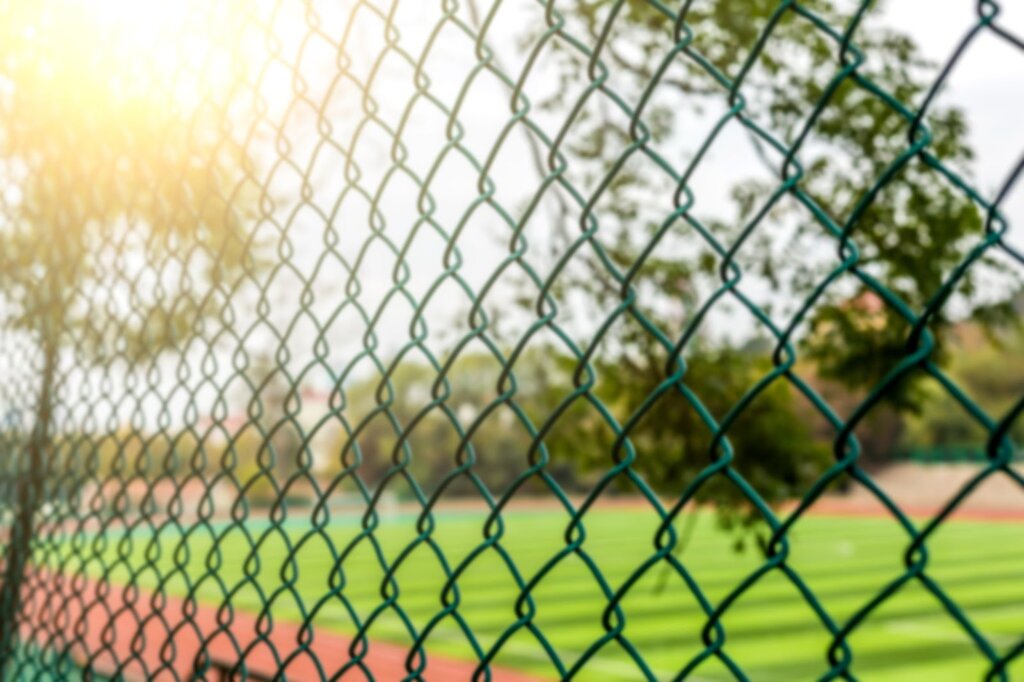
Fencing wire is continuously exposed to environmental elements, making it vulnerable to degradation over time. Different climates create different types of stress on the wire.
Moisture and Humidity
Water is one of the biggest enemies of metal. In humid and rainy conditions, moisture reacts with iron and oxygen to form rust. This process, known as oxidation, weakens the wire structure and reduces its lifespan.
Temperature Fluctuations
In regions with extreme temperature variations, fencing wire expands during heat and contracts in cold conditions. Over time, this repeated cycle can lead to metal fatigue, reducing the strength of the wire.
UV Exposure
Constant exposure to sunlight can degrade protective coatings, especially in coated wires. This reduces their ability to resist corrosion.
Salt and Chemical Exposure
In coastal regions, salt particles in the air accelerate corrosion. Similarly, in industrial areas, chemical exposure can damage the wire coating and core material.
Mechanical Stress (Wind and Load)
Strong winds and external pressure can cause tension in fencing systems. Weak or low-quality wires may stretch or break under such conditions.
Understanding these environmental factors is essential to choosing the right fencing material.
Understanding Fencing Wire Materials and Coatings

The durability of fencing wire largely depends on its base material and protective coating. Let’s explore these in detail.
Galvanized Iron (GI) Wire
GI wire is one of the most commonly used fencing materials. It is coated with zinc to protect it from corrosion.
Types of Galvanization:
- Electro Galvanization: Thin zinc coating, suitable for indoor or low-exposure environments
- Hot-Dip Galvanization: Thick zinc coating, ideal for outdoor and harsh weather conditions
GSM (Grams per Square Meter):
GSM measures the thickness of zinc coating. Higher GSM means better protection.
- Low GSM: Suitable for temporary or indoor use
- Medium GSM: Suitable for mild outdoor conditions
- High GSM (e.g., 80–120 GSM or above): Ideal for long-term outdoor applications
PVC Coated Wire
PVC coated wire has an additional plastic layer over the metal wire. This layer acts as a barrier against moisture, chemicals, and UV rays.
Advantages:
- Dual protection (metal + plastic coating)
- Highly resistant to corrosion
- Longer lifespan in harsh environments
- Better appearance for residential use
Stainless Steel Wire
Stainless steel wire contains chromium, which forms a protective oxide layer on the surface.
Benefits:
- Excellent corrosion resistance
- High strength and durability
- Ideal for extreme environments
Although it is more expensive, it is often used in coastal, industrial, and high-end applications where longevity is critical.
High Tensile Wire
High tensile wire is designed to withstand high stress and tension.
Key Features:
- Higher load-bearing capacity
- Less stretching over time
- Ideal for large fencing systems and windy areas
Choosing Fencing Wire Based on Climate Conditions
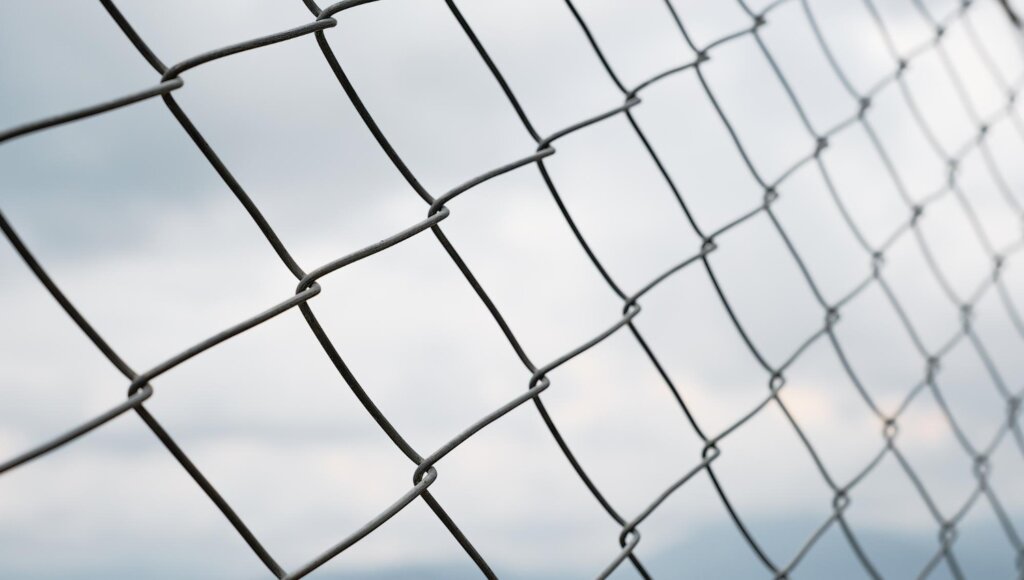
Selecting the right fencing wire requires understanding the environmental conditions of your location.
1. Rainy and High-Humidity Regions
In areas with heavy rainfall or high humidity, corrosion is the primary concern.
Challenges:
- Continuous exposure to water
- Increased risk of rust formation
- Soil moisture affecting the base of fencing
Recommended Options:
- High GSM hot-dip galvanized wire
- PVC coated wire
Why:
These wires offer enhanced protection against moisture and prevent rapid deterioration.
2. Hot and Arid Climates
In hot regions, extreme heat and UV radiation can weaken materials over time.
Challenges:
- Thermal expansion and contraction
- Coating degradation due to UV exposure
- Dry winds causing physical stress
Recommended Options:
- High tensile GI wire
- UV-resistant coated wire
Why:
These materials maintain structural strength even under continuous heat exposure.
3. Coastal and Marine Environments
Coastal areas are the most aggressive environments for metal fencing.
Challenges:
- Salt-laden air accelerates corrosion
- High humidity and strong winds
- Frequent exposure to moisture
Recommended Options:
- PVC coated wire
- Stainless steel wire
- Heavy galvanized wire (high GSM)
Why:
These options provide superior resistance to salt corrosion and ensure longer life.
4. Cold and Snowy Regions
Low temperatures can make certain metals brittle.
Challenges:
- Reduced flexibility of wire
- Risk of cracking under pressure
- Ice accumulation increasing load
Recommended Options:
- Flexible GI wire with high-quality coating
- Stainless steel wire
Why:
These wires retain flexibility and strength even in low temperatures.
5. High-Wind and Storm-Prone Areas
Wind can exert continuous pressure on fencing systems.
Challenges:
- Wire stretching or sagging
- Structural instability
- Increased tension on joints
Recommended Options:
- High tensile wire
- Reinforced chain link fencing
Why:
These wires provide better resistance to mechanical stress and maintain fence integrity.
Technical Factors That Define Wire Performance
Beyond weather conditions, several technical factors determine the performance of fencing wire.
Tensile Strength
Measured in megapascals (MPa), tensile strength indicates how much force the wire can withstand before breaking.
Elongation
This refers to how much the wire can stretch before it breaks. Lower elongation means less sagging.
Coating Adhesion
Good coating adhesion ensures that the protective layer does not peel off over time.
Wire Diameter
Thicker wires generally provide better strength but must be balanced with flexibility.
Long-Term Cost vs Initial Cost
Many buyers choose cheaper fencing wire to reduce initial costs. However, this often leads to higher maintenance and replacement expenses.
Low-Quality Wire:
- Lower upfront cost
- Short lifespan
- Frequent repairs
High-Quality Wire:
- Slightly higher initial investment
- Longer lifespan
- Minimal maintenance
Investing in the right fencing wire from the beginning ensures better long-term savings and reliability.
Integrating Strong Materials for Complete Durability
A fencing system is only as strong as its weakest component. While fencing wire plays a critical role, supporting structures like poles, frames, and boundary walls must also be strong and durable.
Using high-quality construction materials ensures that the entire fencing system performs well under different weather conditions.
Build Strong Structures with Sunvik Steels Pvt Ltd
For any construction or structural requirement, choosing the right steel is essential. Sunvik Steels Pvt Ltd is a trusted manufacturer known for producing high-quality TMT bars designed for strength, flexibility, and durability.
Their TMT bars offer:
- High tensile strength for structural stability
- Excellent resistance to corrosion and environmental stress
- Superior flexibility to withstand load and pressure
- Long-lasting performance in diverse weather conditions
Whether you are installing fencing systems, building boundary walls, or working on large-scale construction projects, using quality steel enhances durability and safety.
To learn more about their products, visit https://sunviksteels.com/ and explore reliable solutions for your construction needs.
Conclusion
Choosing the right fencing wire for different weather conditions is not just a technical decision—it is a strategic investment in durability and long-term performance.
Each climate presents unique challenges, from moisture and corrosion to heat and mechanical stress. By understanding these factors and selecting the appropriate wire type, you can ensure that your fencing system remains strong, secure, and maintenance-free for years.
Combining high-quality fencing wire with strong supporting materials creates a robust system capable of withstanding even the harshest environments.
FAQs
1. Why is weather important when selecting fencing wire?
Weather conditions affect corrosion, strength, and lifespan of fencing wire, making it essential to choose the right type for each climate.
2. What is the best fencing wire for high humidity areas?
High GSM galvanized wire and PVC coated wire are ideal for humid and rainy environments.
3. Which fencing wire is suitable for coastal regions?
PVC coated wire, stainless steel wire, and heavy galvanized wire are best for resisting salt corrosion.
4. How does GSM affect fencing wire performance?
Higher GSM indicates thicker zinc coating, which improves corrosion resistance and durability.
5. What is high tensile fencing wire?
High tensile wire is designed to withstand greater stress and is ideal for large or high-pressure fencing systems.
6. Can fencing wire fail due to heat?
Yes, extreme heat can weaken wire over time, especially if it lacks proper coating or tensile strength.
7. Is PVC coated wire better than GI wire?
PVC coated wire offers additional protection against moisture and chemicals, making it suitable for harsh environments.
8. How long does fencing wire last?
The lifespan depends on material and environmental conditions, but high-quality wire can last many years with minimal maintenance.
9. What are the key factors to consider when choosing fencing wire?
Important factors include weather conditions, GSM coating, tensile strength, wire diameter, and application type.
10. How can I increase the durability of my fencing system?
Use high-quality wire, proper installation techniques, and strong supporting materials such as durable steel structures.