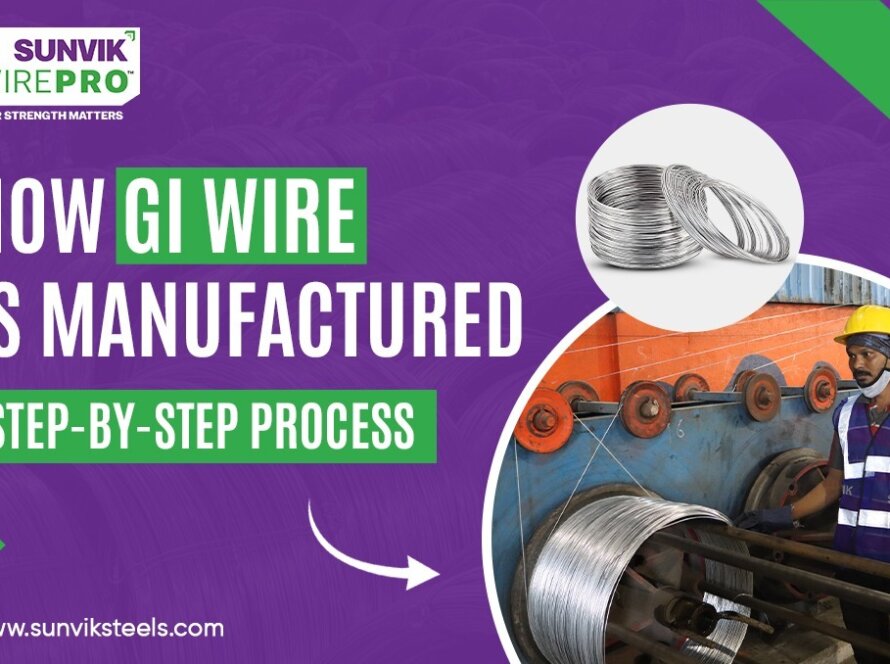
Cold Dip Binding Wire
Binding wire may look like a small component in construction, but it plays a very important role in holding steel bars together and maintaining structural integrity. Whether it’s a residential building, commercial project, or infrastructure work, the quality of binding wire directly affects durability and safety.
Among the most commonly used options are Cold Dip Binding Wire and Normal Binding Wire. While both are used for tying reinforcement bars, they differ significantly in performance, lifespan, and suitability for different environments. Understanding these differences can help contractors, builders, and engineers make the right choice for their projects.
What Is Binding Wire?

Binding wire is a thin steel wire used mainly to tie TMT bars or reinforcement bars during concrete construction. Its primary purpose is to keep the steel bars in the correct position while concrete is poured and cured. Good quality binding wire should be flexible, strong, and resistant to breakage during tying.
What Is Cold Dip Binding Wire?

Cold dip binding wire is made from mild steel wire that is coated with zinc using a cold galvanizing process. This zinc coating forms a protective layer over the steel, helping prevent rust and corrosion.
This type of binding wire is widely used in construction projects where durability and resistance to moisture are important. It offers better protection than untreated wire and performs well in both indoor and outdoor conditions.
What Is Normal Binding Wire?
Normal binding wire is usually made from plain mild steel wire without any protective coating. It is flexible and easy to use, making it suitable for basic construction work. However, since it lacks corrosion protection, it can rust quickly when exposed to moisture, humidity, or chemicals.
Normal binding wire is generally preferred for short-term use or in dry environments where corrosion is not a major concern.
Key Differences Between Cold Dip Binding Wire and Normal Binding Wire

Cold Dip Binding Wire and Normal Binding Wire may look similar at first glance, but they differ significantly in terms of durability, corrosion resistance, and long-term performance. Understanding these differences helps in selecting the right binding wire for safe, reliable, and cost-effective construction.
1. Corrosion Resistance
Cold Dip Binding Wire is coated with zinc through a cold galvanizing process, creating a protective layer that prevents rust and oxidation.
Normal Binding Wire has no protective coating and is more vulnerable to corrosion when exposed to moisture or air.
2. Durability and Lifespan
Cold Dip Binding Wire offers superior durability and remains functional for a longer period, even in challenging environments.
Normal Binding Wire has a comparatively shorter lifespan and may deteriorate faster due to rust formation.
3. Strength Retention Over Time
Cold Dip Binding Wire maintains its tensile strength over time, ensuring stable reinforcement ties throughout the structure’s life.
Normal Binding Wire gradually loses strength as corrosion affects the steel core.
4. Flexibility and Workability
Cold Dip Binding Wire provides excellent flexibility, making it easy to tie without breaking during application.
Normal Binding Wire is flexible initially but may become brittle over time.
5. Performance in Outdoor Conditions
Cold Dip Binding Wire performs reliably in outdoor, humid, and rainy conditions.
Normal Binding Wire is best suited for dry, indoor environments with minimal exposure to weather.
6. Application in Long-Term Projects
Cold Dip Binding Wire is ideal for permanent structures such as residential buildings, commercial projects, and infrastructure work.
Normal Binding Wire is commonly used in temporary or short-term construction projects.
7. Maintenance Requirements
Cold Dip Binding Wire requires minimal maintenance due to its protective zinc coating.
Normal Binding Wire may need frequent replacement as corrosion progresses.
8. Structural Safety
Cold Dip Binding Wire helps maintain strong reinforcement joints, improving overall construction safety.
Normal Binding Wire can loosen over time if rust weakens the wire.
9. Suitability for Coastal and Industrial Areas
Cold Dip Binding Wire is highly suitable for coastal and industrial zones where corrosion risk is high.
Normal Binding Wire is not recommended for such environments.
10. Cost Efficiency Over Time
Cold Dip Binding Wire offers better long-term value despite a slightly higher initial cost.
Normal Binding Wire is cheaper upfront but may increase costs due to frequent replacements.
Which Binding Wire Should You Choose?
The choice between cold dip binding wire and normal binding wire depends on the project requirements.
If the construction is exposed to moisture, rain, humidity, or harsh weather conditions, cold dip binding wire is the better option. It ensures longer life, better strength retention, and improved overall performance.
For small-scale or temporary projects where environmental exposure is minimal, normal binding wire may be sufficient. However, for long-term construction quality, cold dip binding wire is increasingly preferred by professionals.
Why Cold Dip Binding Wire Is Gaining Popularity in Modern Construction
With the growing focus on quality, safety, and durability, builders are moving toward materials that offer long-term reliability. Cold dip binding wire reduces the risk of corrosion-related issues, improves construction stability, and supports stronger concrete reinforcement systems.
This makes it a smart choice for modern construction projects where performance and longevity matter.
Cold Dip Binding Wire from Sunvik Steels Pvt Ltd
Sunvik Steels Pvt Ltd offers high-quality Cold Dip Binding Wire that meets industry standards and construction requirements. Their binding wire is manufactured with precision to ensure uniform coating, excellent flexibility, and reliable strength.
Whether you are working on residential buildings, commercial complexes, or large infrastructure projects, Sunvik Steels provides binding wire solutions you can trust.
Explore their product range here:
https://sunviksteels.com/
Frequently Asked Questions (FAQs)
1. What is the main advantage of cold dip binding wire?
The main advantage is its corrosion resistance due to the zinc coating, which helps increase durability and lifespan.
2. Can cold dip binding wire be used outdoors?
Yes, it is ideal for outdoor use and performs well in humid and rainy conditions.
3. Is normal binding wire suitable for RCC work?
Normal binding wire can be used for RCC work, but it is better suited for indoor or temporary structures.
4. Does cold dip binding wire affect concrete strength?
No, it helps maintain proper positioning of reinforcement bars, which supports overall structural strength.
5. Is cold dip binding wire more expensive than normal binding wire?
It may cost slightly more initially, but it offers better long-term value due to reduced corrosion and maintenance.
6. Where is cold dip binding wire commonly used?
It is commonly used in residential, commercial, industrial, and infrastructure construction projects.
7. How long does cold dip binding wire last?
Its lifespan depends on environmental conditions, but it lasts significantly longer than normal binding wire.
8. Why choose Sunvik Steels for binding wire?
Sunvik Steels offers consistent quality, reliable manufacturing standards, and construction-grade materials.
Final Call to Action
If you are looking for durable, corrosion-resistant, and high-quality Cold Dip Binding Wire, choose Sunvik Steels Pvt Ltd. Their products are designed to support strong, long-lasting construction projects.
Visit https://sunviksteels.com/ today to learn more or get in touch with their team for the right binding wire solution for your project.