


GI Cold Dip Wire
When it comes to construction, fencing, agriculture, and industrial applications, choosing the right wire can make a big difference. One product that has remained popular for decades is GI cold dip wire. It is affordable, durable, and suitable for a wide range of uses. However, many buyers focus only on price and overlook important factors like zinc coating, wire thickness, tensile strength, and quality standards.
If you’re planning to buy GI cold dip wire, understanding the basics can help you make a better decision and avoid unnecessary expenses later. This guide covers everything you should know before making a purchase.
What is GI Cold Dip Wire?
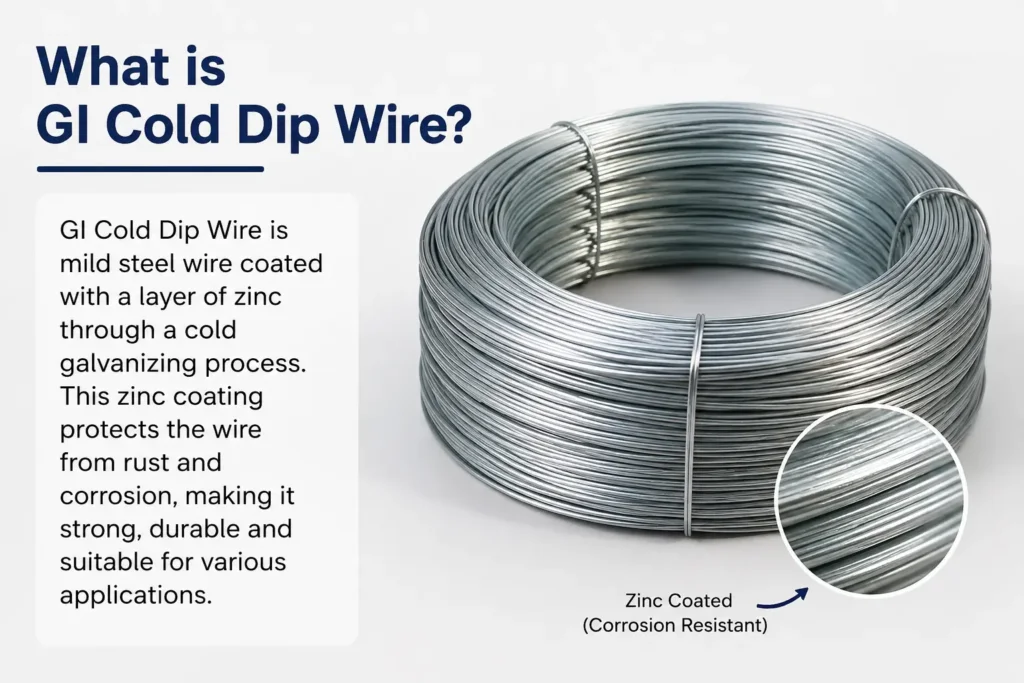
GI stands for Galvanized Iron. GI cold dip wire is a steel wire coated with a layer of zinc through a cold galvanizing process. The zinc coating protects the wire from rust and corrosion, making it suitable for outdoor and industrial applications.
Unlike hot-dip galvanized wire, cold dip wire generally has a thinner zinc coating. This makes it more economical while still providing good protection in environments where extreme corrosion resistance is not required.
The manufacturing process involves cleaning the steel wire and applying a zinc coating through electroplating or chemical treatment. The result is a smooth and shiny wire with decent durability.
Common Applications of GI Cold Dip Wire
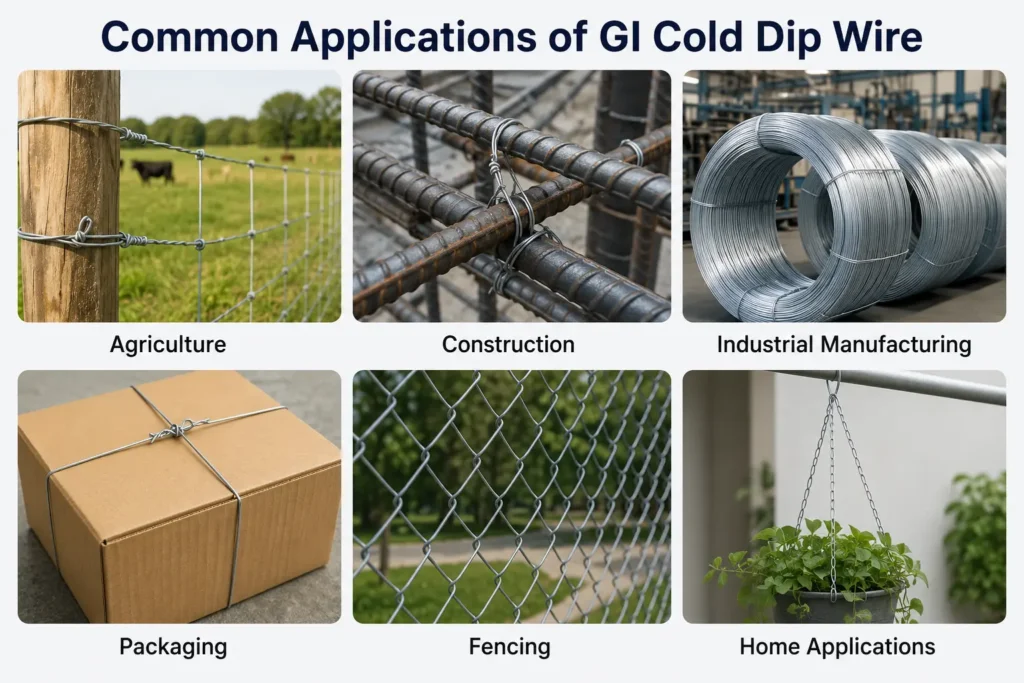
One of the reasons GI cold dip wire is widely used is its versatility. It can be found in several industries and everyday applications.
Agriculture
Farmers use GI cold dip wire for fencing, crop support structures, and animal enclosures. It offers sufficient strength while resisting weather-related damage.
Construction
Construction projects use galvanized wire for binding reinforcement bars and securing materials during building work.
Industrial Manufacturing
Various industries use GI wire for making mesh, springs, cable armouring, and wire products.
Packaging
Heavy packages and industrial goods often require durable wire for bundling and securing during transportation.
Home Applications
GI wire is commonly used for garden fencing, hanging systems, decorative installations, and small repair jobs.
Why is Zinc Coating Important?
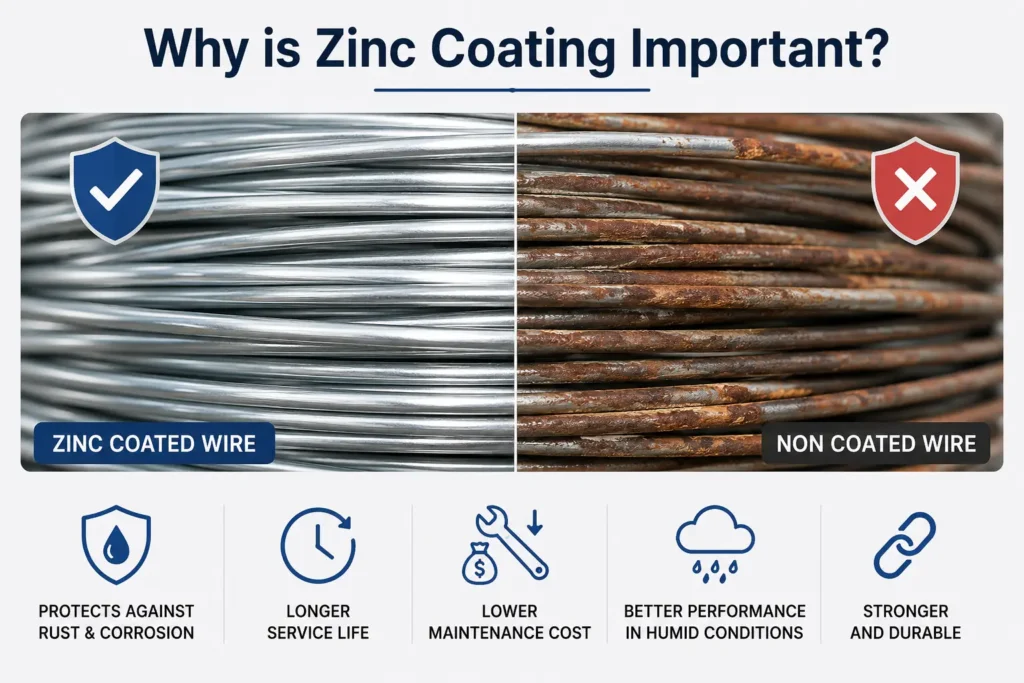
Many buyers simply ask for galvanized wire without checking the zinc coating quality. However, the coating determines how long the wire will last.
The zinc layer acts as a protective barrier between the steel and the environment. Even if the surface gets scratched, zinc provides additional protection by reducing the risk of rust formation.
A better zinc coating means:
- Longer service life.
- Improved corrosion resistance.
- Lower maintenance costs.
- Better performance in humid conditions.
Always ask about the zinc coating thickness before purchasing.
How to Choose the Right GI Cold Dip Wire
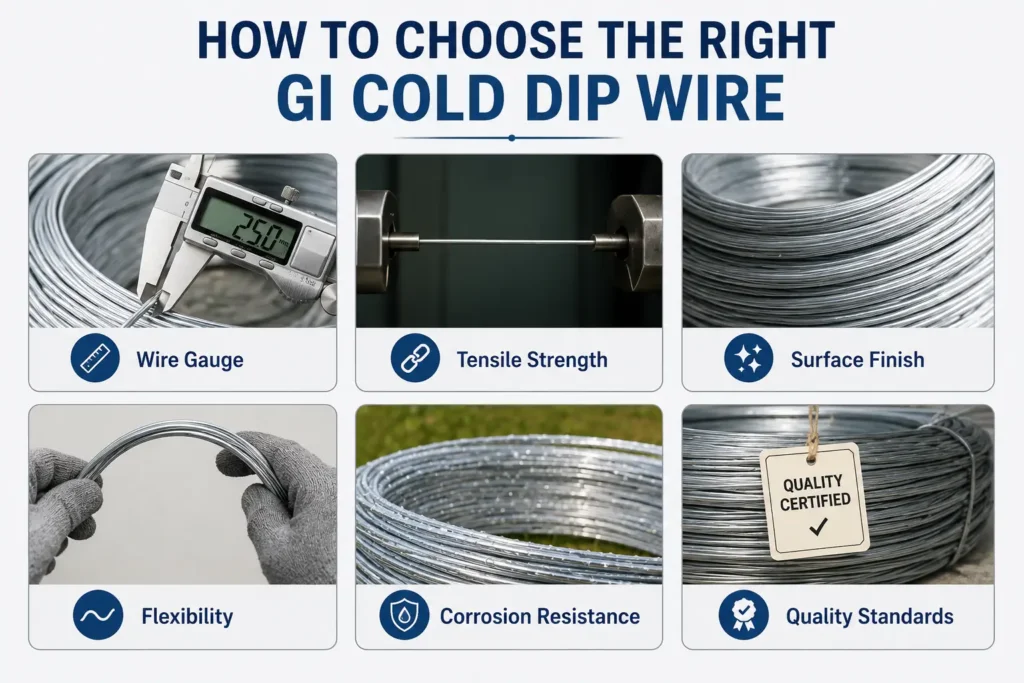
Buying the right wire depends on your specific application. Here are some important factors to consider.
Wire Gauge
Wire gauge indicates the thickness of the wire.
Thicker wires are stronger and suitable for heavy-duty applications, while thinner wires work well for tying and lightweight tasks.
Tensile Strength
Tensile strength measures how much force the wire can handle before breaking.
For industrial and construction use, higher tensile strength is often preferred.
Surface Finish
A good GI wire should have a smooth and uniform finish. Uneven coatings or rough surfaces may indicate lower manufacturing quality.
Flexibility
The wire should be easy to bend without cracking or peeling.
Corrosion Resistance
Consider where the wire will be used. Outdoor environments require better corrosion protection.
Cold Dip Wire vs Hot Dip Wire
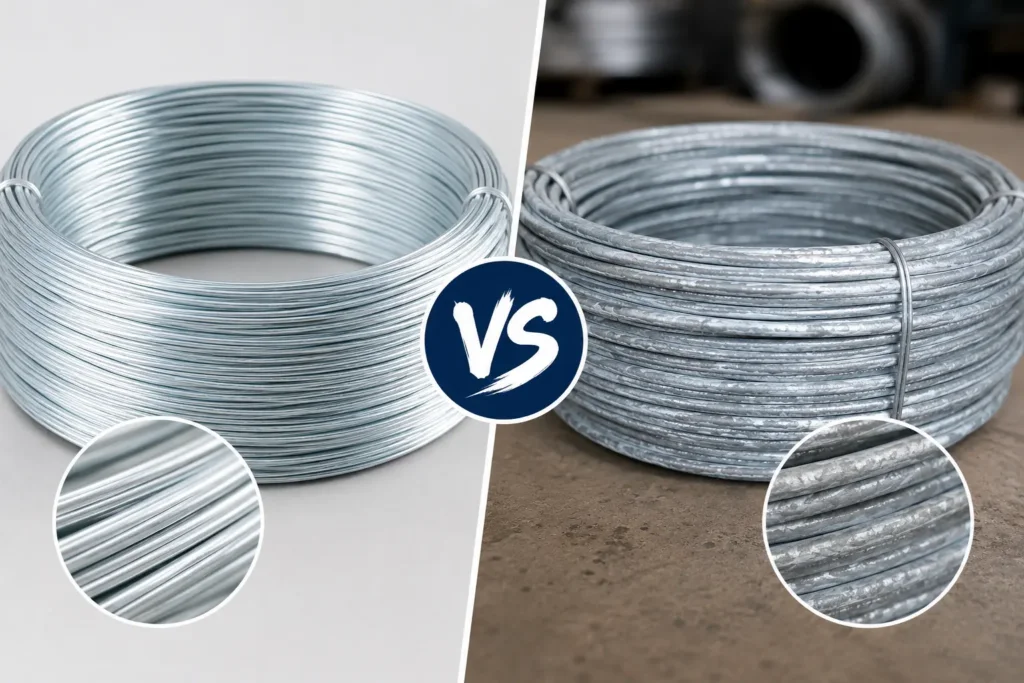
Many buyers are confused about which type to choose.
| Feature | Cold Dip Wire | Hot Dip Wire |
| Zinc Coating | Thin | Thick |
| Cost | Lower | Higher |
| Corrosion Resistance | Moderate | Excellent |
| Surface Finish | Smooth | Slightly rough |
| Best For | General applications | Heavy outdoor use |
If your project involves normal environmental exposure, cold dip wire is often a practical and cost-effective option.
For coastal or highly corrosive environments, hot dip wire may be a better investment.
Signs of Good Quality GI Cold Dip Wire
Not every galvanized wire available in the market offers the same quality.
Look for these characteristics:
- Uniform zinc coating.
- Consistent diameter.
- Smooth finish.
- Good flexibility.
- No visible rust spots.
- High tensile strength.
- Compliance with industry standards.
Reliable manufacturers usually provide quality certifications and technical specifications.
Mistakes Buyers Often Make
Many people make purchasing decisions based only on price. This can lead to performance issues and additional costs.
Some common mistakes include:
Ignoring Wire Thickness
Using the wrong gauge can affect the strength and durability of the application.
Not Checking Zinc Coating
A poor coating can reduce the wire’s lifespan.
Buying Without Understanding the Application
Different projects require different wire properties.
Choosing Unknown Suppliers
Low-cost products from unreliable suppliers may not meet quality standards.
Overlooking Storage Conditions
Even galvanized wire should be stored properly to prevent moisture-related damage.
How to Store GI Cold Dip Wire
Proper storage can extend the life of the wire before use.
Keep the wire:
- In a dry place.
- Away from standing water.
- Covered to prevent excessive moisture exposure.
- Off the ground when stored for long periods.
- Protected from harsh chemicals.
Good storage practices help maintain the zinc coating and overall quality.
Is GI Cold Dip Wire Environment Friendly?
Galvanized wire can be recycled, making it a relatively sustainable material. Steel is one of the most recycled materials in the world, and zinc coatings can also be recovered during recycling processes.
Long-lasting materials reduce replacement frequency, which indirectly lowers waste generation.
Market Trends
The demand for galvanized wire continues to grow due to infrastructure development, agricultural expansion, and industrial manufacturing.
Manufacturers are also focusing on better coating technologies and improved production methods to enhance product performance while reducing costs.
As industries look for durable and economical materials, GI cold dip wire remains an important choice for many applications.
Final Thoughts
Buying GI cold dip wire may seem straightforward, but a little research can help you make a much better investment. Factors such as wire gauge, zinc coating, tensile strength, flexibility, and intended use should all be considered before purchasing.
The cheapest option is not always the best. High-quality GI cold dip wire can provide better durability, lower maintenance, and improved performance over time.
Whether you need wire for agriculture, construction, industrial manufacturing, or general use, selecting the right product will help ensure long-term reliability and value.
Frequently Asked Questions
GI cold dip wire is a galvanized steel wire coated with zinc through a cold galvanizing process to improve corrosion resistance.
It is commonly used in construction, agriculture, fencing, packaging, industrial manufacturing, and household applications.
It depends on the application. Cold dip wire is economical for general use, while hot dip wire offers higher corrosion resistance for harsh environments.
Check for a uniform zinc coating, smooth finish, proper thickness, flexibility, and quality certifications.
The zinc coating helps resist rust, but damage to the coating or prolonged exposure to extreme conditions can reduce its lifespan.
The right gauge depends on your application. Heavy-duty projects generally require thicker wire.


