Cheap vs High-Quality Barbed Wire: What’s the Real Difference?
When people buy barbed wire, the first thing they usually check is the price. It makes sense. If two products look almost the same, most buyers naturally lean toward the cheaper option. After all, why spend extra if both rolls appear identical from the outside?
This is where many people make costly mistakes.
Barbed wire might look simple, but its quality makes a huge difference in performance, lifespan, and reliability. Two rolls may seem similar at first glance, yet after a few months of exposure to weather, tension, and daily wear, the difference becomes obvious.
One remains strong, sharp, and secure. The other begins to sag, rust, loosen, and eventually fail.
The truth is that cheap barbed wire often saves money only for a short period. Over time, repairs, replacements, and maintenance usually cost much more than investing in quality from the start.
If you are planning fencing for agricultural land, industrial property, commercial security, warehouses, construction sites, or even residential boundaries, understanding this difference matters more than most people realize.
Why People Choose Cheap Barbed Wire
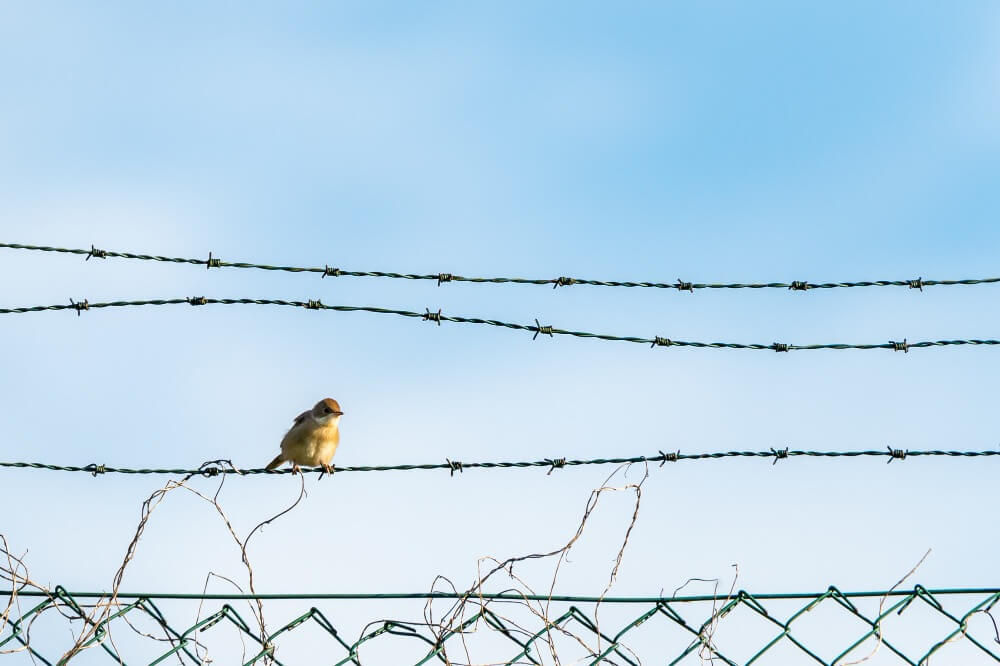
Price is usually the biggest reason.
A lower price looks attractive, especially when fencing large areas where material costs add up quickly. For many buyers, the thought process is simple: if it creates a boundary, it should work.
Unfortunately, barbed wire is not just about creating a visible boundary. Its purpose is to provide long-term protection and maintain strength under constant outdoor exposure.
Cheap products often compromise on material quality and manufacturing standards. This allows sellers to reduce cost, but the customer pays later through reduced performance and shorter lifespan.
In many cases, buyers only realize the difference after installation, when replacing poor-quality wire becomes expensive and frustrating.
The Steel Quality Makes a Huge Difference
The strength of barbed wire depends entirely on the steel used to manufacture it.
Low-cost wire is often made using lower-grade steel that lacks consistent tensile strength. This means the wire may stretch too easily during installation or begin sagging after a short period.
When pressure is applied, whether from animals, accidental impact, or environmental stress, weak steel can bend or snap.
Good quality barbed wire is made using high-strength steel with strict quality control during manufacturing.
This gives it better flexibility during installation while allowing it to maintain tension for years.
The difference becomes noticeable very quickly after installation.
Cheap wire often feels brittle or overly soft. High-quality wire feels balanced, strong, and dependable.
Galvanization Is More Important Than Most Buyers Think
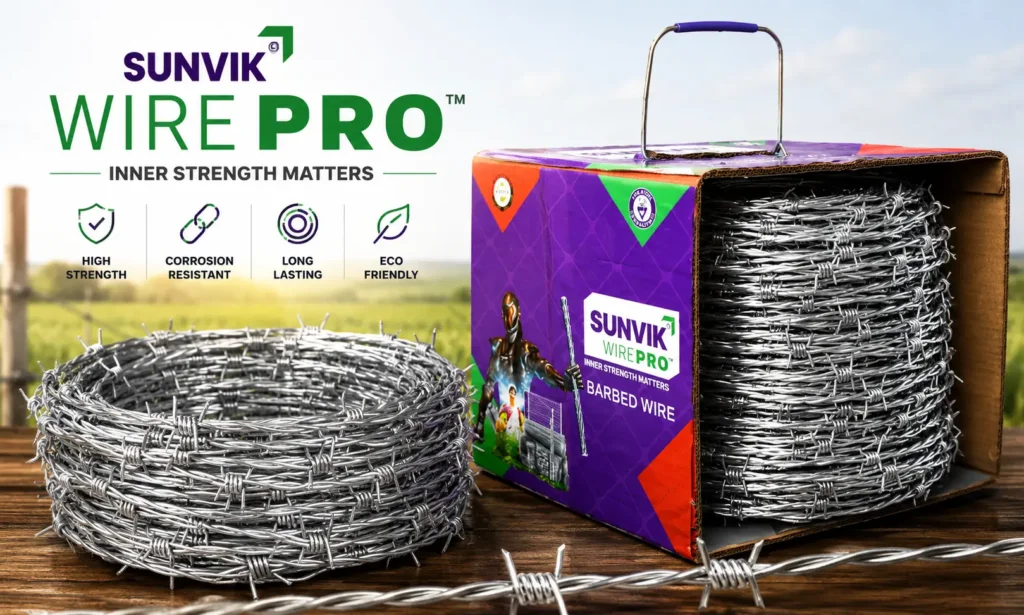
One of the biggest reasons barbed wire fails early is rust.
Because fencing stays outdoors year after year, it constantly faces:
- Rain
- Moisture
- Heat
- Dust
- Changing temperatures
- Humidity
- Chemical exposure in some industrial areas
Galvanization protects steel by coating it with zinc.
Cheap barbed wire usually has a thin or uneven zinc coating. It may look fine when new, but the coating wears away quickly. Once exposed, the steel underneath starts corroding.
Rust spreads fast.
Soon the wire becomes weak, brittle, and unsafe.
High-quality barbed wire uses heavier and more uniform galvanization. This protective layer significantly extends lifespan and prevents early corrosion.
A well-galvanized wire can remain strong for many years, even in harsh weather.
This alone often justifies the higher upfront price.
Barbs Matter More Than You Think
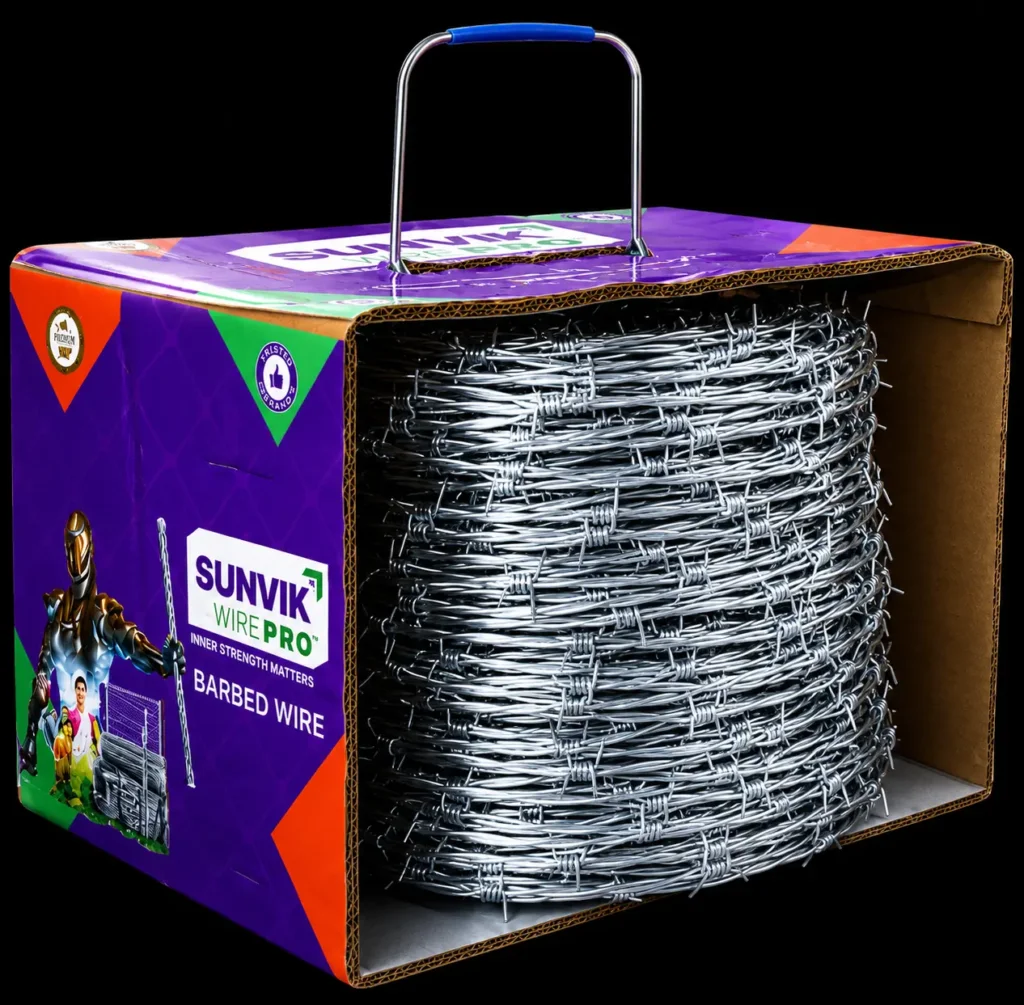
Many buyers focus only on wire thickness and forget to inspect the barbs.
This is a mistake.
Barbs are what make fencing effective as a deterrent.
Cheap wire often has poorly twisted barbs that loosen over time. Sometimes the spacing is inconsistent, reducing effectiveness.
Blunt or loose barbs weaken security.
Premium wire has properly engineered barbs that are:
- Sharper
- Securely twisted
- Evenly spaced
- Resistant to loosening
This provides stronger protection against intrusion and tampering.
For industrial or agricultural security, this difference matters greatly.
Cheap Wire Often Sags Early
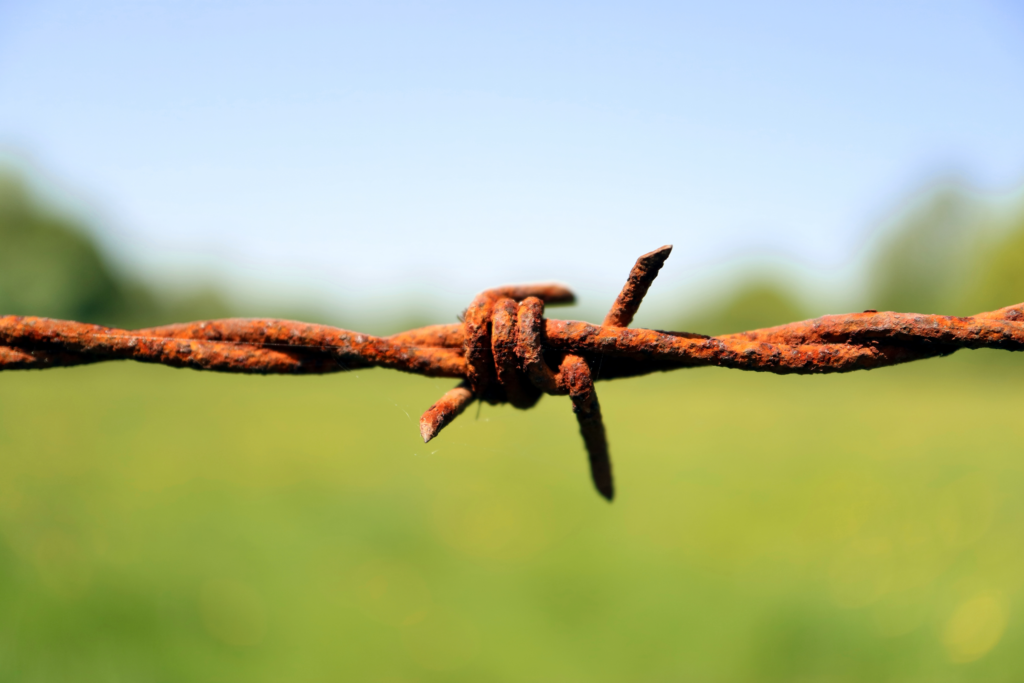
A common complaint with low-quality barbed wire is sagging.
It may look tight immediately after installation, but within weeks or months it starts loosening.
This happens because weak wire cannot hold consistent tension.
Once sagging begins, security effectiveness drops and maintenance becomes necessary.
Workers need to retighten or replace sections repeatedly.
This creates ongoing labor costs.
Good quality wire maintains tension much longer, reducing maintenance requirements significantly.
Over large fencing projects, this saves serious money.
Installation Problems with Cheap Wire
Poor quality wire often creates installation difficulties.
Common issues include:
- Uneven thickness
- Breaking during stretching
- Twisting incorrectly
- Poor flexibility
- Difficulty maintaining straight alignment
Installers usually notice these problems immediately.
This increases labor time and frustration.
Premium wire behaves predictably during installation, allowing faster and cleaner fencing work.
This improves project efficiency and reduces mistakes.
The Hidden Cost of Cheap Barbed Wire
This is where many buyers lose money.
Cheap wire seems affordable at first, but later costs include:
- Frequent repairs
- Replacement rolls
- Extra labor charges
- Rust treatment
- Security failures
- Downtime for industrial sites
- Fence reconstruction
Over five to ten years, total expenses often exceed the cost of buying premium wire in the beginning.
High-quality wire may cost more initially, but it usually delivers lower ownership cost over time.
This is what smart buyers consider.
They focus on value, not just purchase price.
Performance in Harsh Weather
- Weather tests fencing constantly.
- Strong sunlight weakens poor coatings.
- Rain accelerates rust.
- Wind pressure exposes weak tensile strength.
- Temperature shifts expand and contract metal.
- Cheap wire struggles under these conditions.
- Quality wire is built to handle them.
Whether installed in rural farmland, urban commercial spaces, industrial facilities, or coastal regions, premium barbed wire performs more consistently.
This reliability matters.
Security should never depend on luck.
How to Spot High-Quality Barbed Wire Before Buying
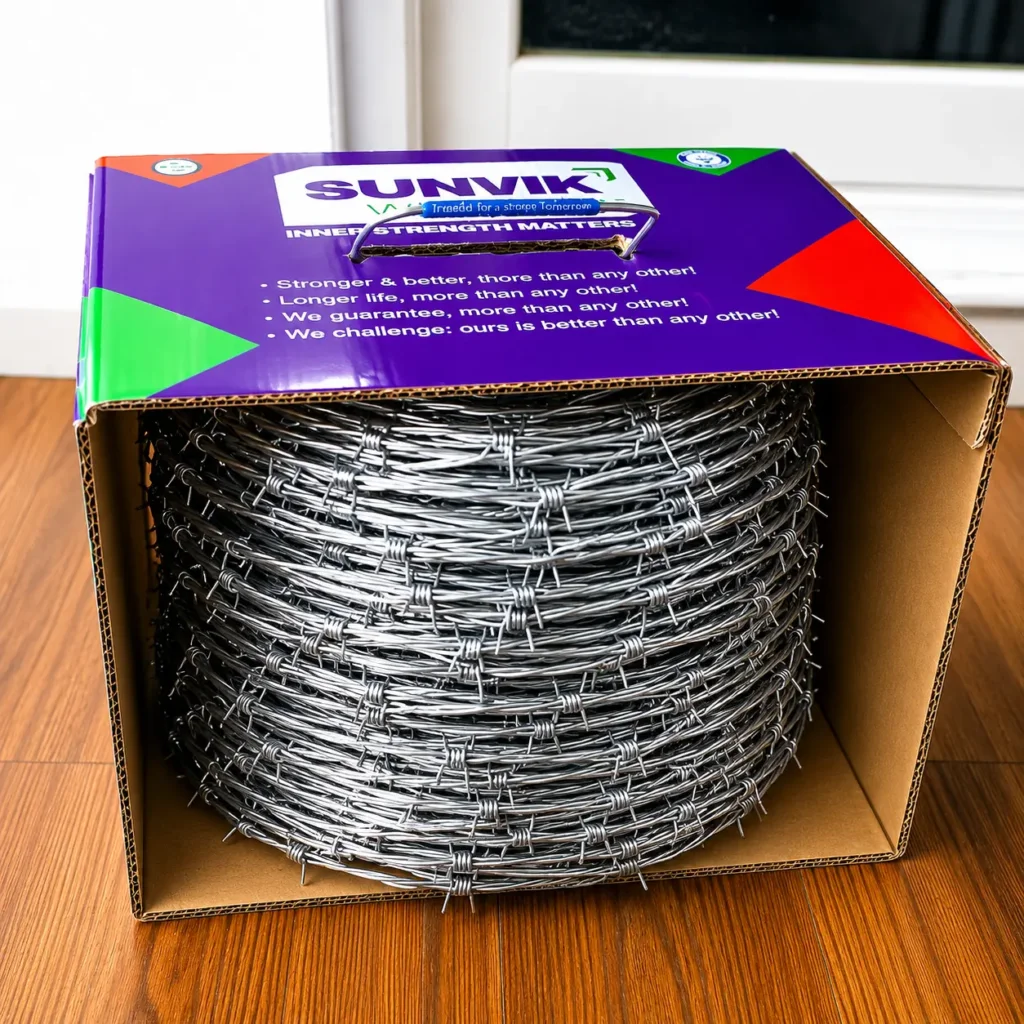
A few simple checks help identify better products.
Look for: Uniform thickness throughout the roll, Clean galvanization without rough patches, Consistent barb spacing, Strong twisting at barb joints, Trusted manufacturing certification, Reputable supplier reputation, Warranty or quality assurance support, If these details are missing, think twice before buying.
Why Manufacturers Matter
Even if specifications look similar on paper, manufacturing standards make a huge difference.
Experienced manufacturers follow stricter testing processes and maintain consistency across every roll.
- This gives buyers confidence in long-term performance.
- Choosing a trusted brand reduces risk and ensures dependable results.
- That peace of mind is worth the investment.
Is Expensive Always Better?
- Not always.
- A higher price alone does not guarantee quality.
- The goal is not simply buying the most expensive product.
- The goal is buying verified quality at fair value.
- Good manufacturers provide this balance.
- They offer durability, strength, corrosion resistance, and reliability without unnecessary cost inflation.
- That is what buyers should look for.
The Smarter Long-Term Choice
- Barbed wire is often viewed as a basic fencing product.
- In reality, it is a long-term security investment.
- Choosing poor quality means accepting future repairs, failures, and uncertainty.
- Choosing high-quality wire means stronger protection, lower maintenance, and longer service life.
- The better choice becomes obvious when you think beyond initial pricing.
- Security should not be compromised for short-term savings.
- Invest once in quality, and the results speak for themselves for years.
Frequently Asked Questions
High-quality galvanized wire can last 15 to 25 years depending on environment and maintenance.
Not always. Material strength and galvanization quality matter just as much.
It usually has a thinner zinc coating that wears away quickly.
Yes, because it reduces maintenance and replacement expenses.
Look for uneven coating, inconsistent thickness, loose barbs, and poor finish.
Yes, stronger steel and sharper barbs increase protection.
Yes, weak steel often snaps or twists under tension.
Agricultural, industrial, commercial, and high-security perimeter fencing.
It depends on exposure, but often much sooner than premium alternatives.
No. Long-term durability matters more than short-term savings.