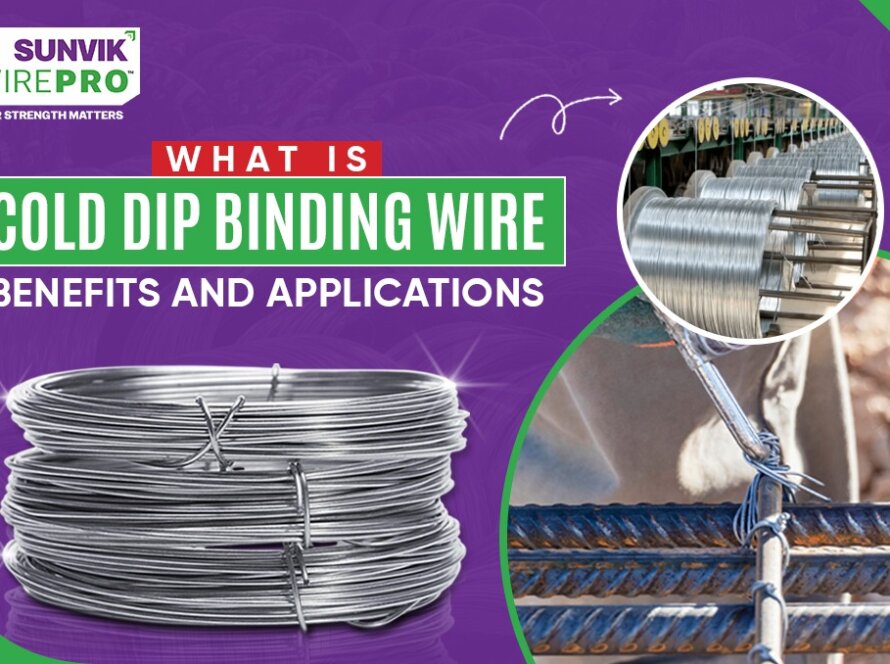
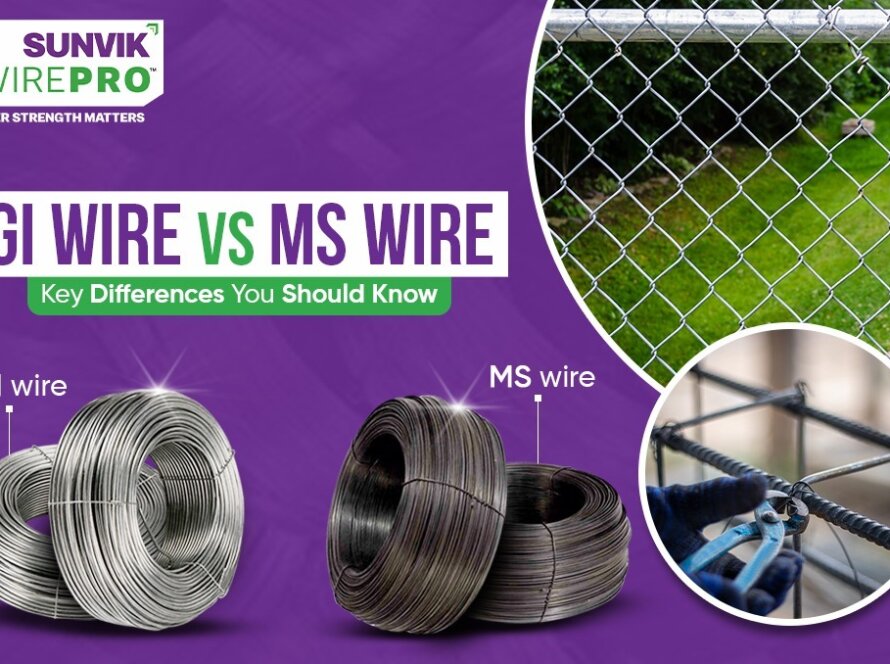
Why Binding Wire Is Critical in Construction
When people think about construction materials, they usually imagine cement, bricks, steel rods, concrete mixers, and heavy machinery. These are the things that stand out on any construction site and naturally get most of the attention. But if you spend enough time around actual construction work, you quickly realize that some of the most important materials are often the ones people barely notice.
Binding wire is one of those materials.
At first glance, it looks simple. It is thin, lightweight, and easy to overlook when compared to large stacks of TMT bars or huge concrete structures. To someone unfamiliar with construction, it may seem like a minor accessory with little value. But experienced builders and engineers know that binding wire plays an essential role in making sure a structure is built correctly from the very beginning.
In fact, without proper binding wire, even the highest-quality TMT bars may not perform as intended during construction. It quietly supports the framework that gives buildings their strength, stability, and long-term durability.
What exactly is Binding Wire?
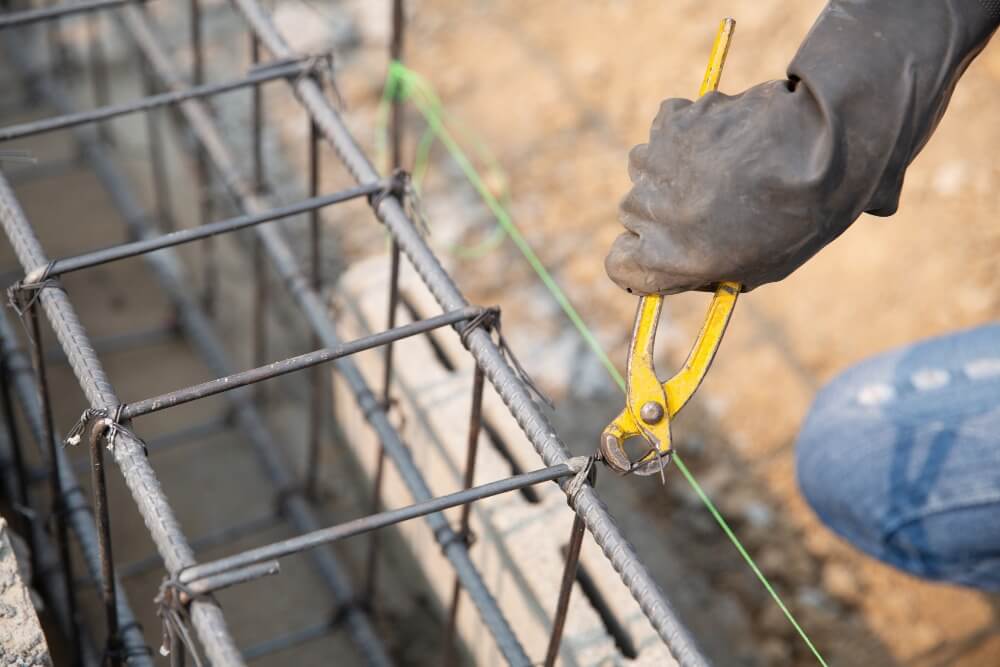
Binding wire is a soft steel wire commonly used for tying reinforcement bars together before concrete is poured. It is generally made from mild steel and often goes through an annealing process that makes it flexible and easy to twist without breaking.
This flexibility is what makes it useful on construction sites. Workers use it to secure steel bars at their intersections so they remain firmly in place while the reinforcement framework is being assembled. Once tied correctly, the bars stay aligned until concrete hardens and permanently locks them into position.
It may sound like a simple job, but this step is far more important than many people realize.
Construction is all about precision. Engineers calculate exact bar spacing, placement depth, overlap length, and alignment for a reason. These details directly affect how the finished structure handles load, pressure, movement, and environmental stress over time.
Binding wire helps preserve that precision.
Without it, steel bars can shift during concrete pouring or move when workers walk across reinforcement cages. Even small movements can disturb structural balance and reduce long-term performance.
Why Stability During Construction Matters So Much
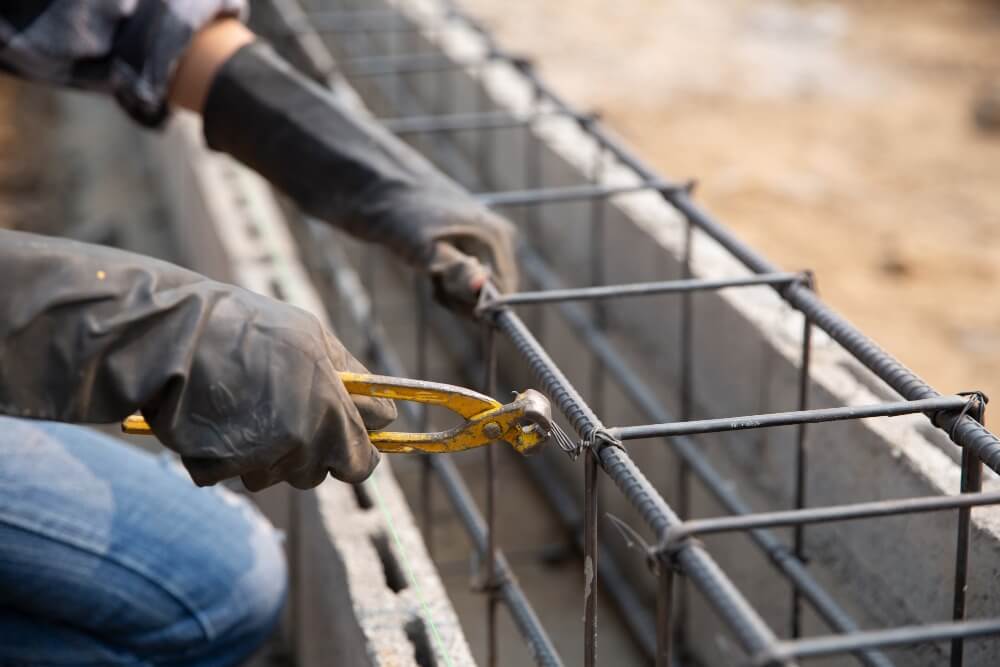
One common misunderstanding is that concrete alone will hold everything together anyway, so minor movement during construction should not matter.
That is not how structural performance works.
Before concrete hardens, steel reinforcement must stay exactly where the structural design requires it to be. Fresh concrete creates pressure as it fills formwork, and vibration equipment used during compaction causes movement across the reinforcement cage.
If the bars are loosely tied or improperly secured, they can shift.
A small shift may not seem serious in the moment, but even slight displacement can affect concrete cover thickness, reinforcement spacing, and load transfer performance.
Over time, these changes may increase cracking risk, allow moisture penetration, speed up steel corrosion, and weaken the structural integrity of the building.
Binding wire prevents these problems by keeping reinforcement fixed and stable during the most sensitive stage of construction.
It acts as temporary control until concrete becomes strong enough to take over permanently.
Proper Binding Improves Structural Accuracy
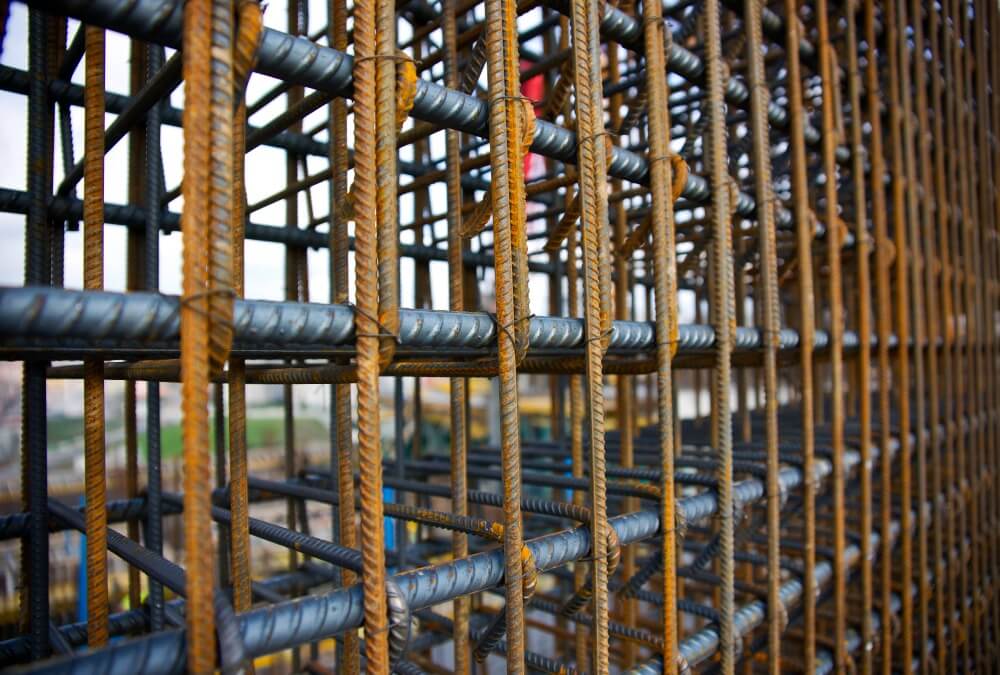
Every building is designed to transfer loads safely from slabs and beams down to the foundation. The placement of reinforcement bars determines how efficiently this load transfer happens.
When bars are positioned exactly as designed, the structure performs predictably under stress. It resists cracking more effectively, distributes force evenly, and handles long-term pressure without unnecessary weakness.
Binding wire ensures that reinforcement stays true to design.
It keeps bars locked into the required pattern so that spacing remains consistent throughout the structure. This consistency matters more than many people realize.
If steel shifts even slightly, load distribution changes. Areas that were designed to share stress evenly may suddenly carry uneven force. Over years of use, these hidden imbalances can create cracks or reduce durability.
That is why experienced engineers inspect reinforcement tying carefully before concrete work begins.
They know the smallest details often decide long-term strength.
It Makes Work Faster and More Efficient
Construction speed matters.
Every delay costs money, affects deadlines, and creates pressure across the project.
Good-quality binding wire improves site productivity because it handles smoothly and performs consistently. Workers can cut it easily, twist it quickly, and secure bars without repeated breakage.
Low-quality wire creates constant frustration. It snaps unexpectedly, tangles often, and wastes valuable time during tying work.
When this happens repeatedly across hundreds or thousands of tie points, project efficiency suffers.
Reliable binding wire keeps reinforcement work moving smoothly and reduces unnecessary interruptions.
For large construction projects, that efficiency can make a significant difference.
Flexibility Is More Important Than Hardness
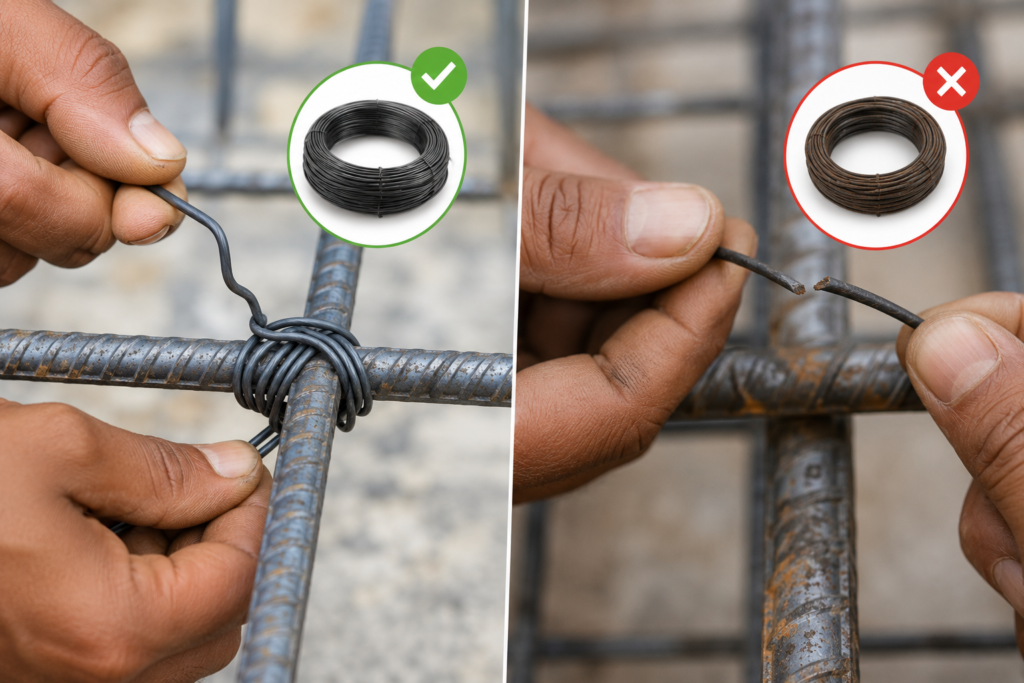
A common mistake buyers make is assuming harder wire is better because it feels stronger.
Actually, binding wire needs controlled softness.
If it is too hard, it becomes brittle and breaks while twisting. Workers struggle to use it efficiently, and tying quality becomes inconsistent.
Properly annealed wire offers the ideal balance. It bends easily while still holding enough strength to secure reinforcement tightly.
This balance improves handling, reduces waste, and ensures strong tying performance across the entire structure.
That is why professional contractors always check flexibility before purchasing bulk wire.
Cheap Binding Wire Usually Costs More Later
Saving a little money on low-grade wire often creates bigger costs later.
Inferior wire frequently has uneven thickness, poor flexibility, weak tensile behavior, and inconsistent finish quality.
This leads to breakage, waste, rework, and slower progress.
In some cases, rushed workers may tie bars loosely just to keep up with deadlines, increasing structural risk.
What looked like a small material saving can quickly turn into expensive labor inefficiency or reinforcement issues that affect overall quality.
This is why professional builders focus on value, not just price.
Reliable materials always save more in the long run.
Why Binding Wire and TMT Bars Work Together
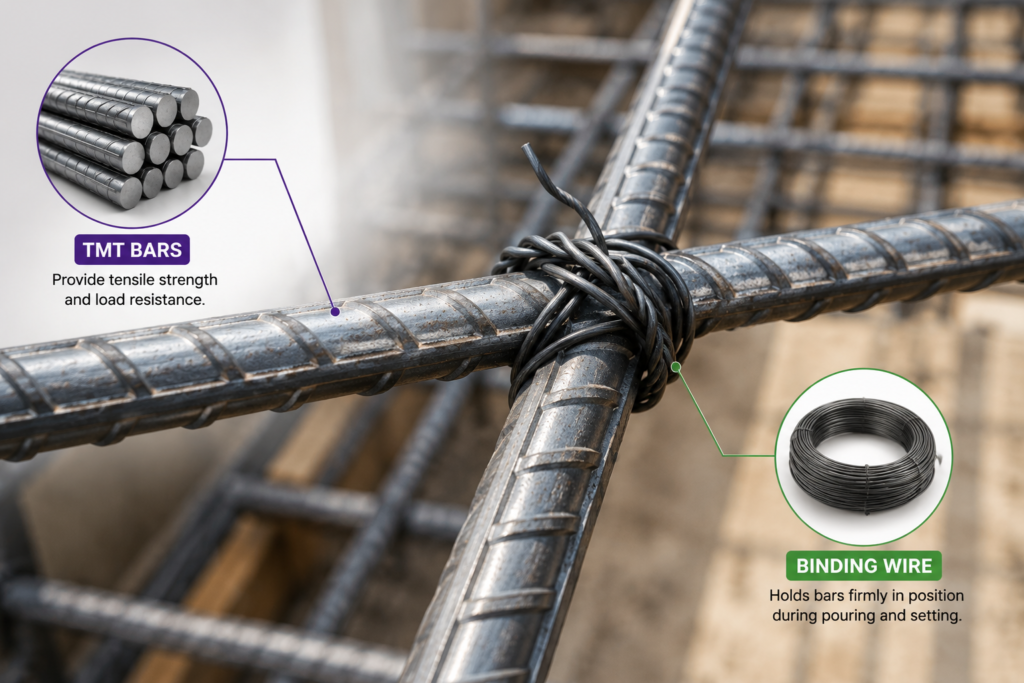
Binding wire and TMT bars are closely connected.
TMT bars provide tensile strength and structural resistance. They help concrete handle stress, bending, and external pressure safely.
Binding wire supports this system by holding those bars exactly where they need to be until concrete hardens.
Without proper tying, even premium steel bars can lose effectiveness because incorrect positioning affects how force travels through the structure.
This is why quality construction depends on both components working together properly.
You cannot compromise one and expect the other to perform fully.
Binding Wire Quality Comparison Chart
| Feature | Low-Quality Binding Wire | Premium Quality Binding Wire |
| Flexibility | Breaks easily while twisting | Smooth and easy to twist |
| Strength Holding Capacity | Loose grip on rebars | Strong and secure tying |
| Rust Resistance | Low | High |
| Worker Efficiency | Slower due to breakage | Faster and smooth usage |
| Material Wastage | High | Low |
| Durability During Construction | Weak performance | Reliable performance |
| Structural Alignment Support | Inconsistent | Accurate bar positioning |
| Overall Construction Reliability | Moderate | Excellent |
Construction Performance Rating of Binding Wire
| Parameter | Importance Level | |
| Rebar Holding Accuracy | Very High | |
| Worksite Efficiency | High | |
| Concrete Framework Stability | Very High | |
| Cost Saving Over Project Duration | High | |
| Safety Contribution | Very High | |
| Long-Term Structural Support | High |
Estimated Impact on Construction Performance
Using Premium Binding Wire
- Construction accuracy improves: 30–40%
- Rebar shifting risk reduces: 80%
- Worker productivity improves: 20–25%
- Material wastage reduces: 15–20%
- Structural reinforcement consistency improves: 35%
Expert Industry Insight
According to civil engineering site practices, nearly 70% of reinforcement placement issues happen because of poor tying quality or weak binding support during concrete pouring.
That is why experienced contractors prefer premium-grade binding wire with trusted steel products like Sunvik Steels Pvt Ltd, ensuring stronger reinforcement alignment and better long-term structural performance.
Frequently Asked Questions
Binding wire keeps reinforcement bars fixed in their designed positions until concrete hardens and secures them permanently.
Yes. If bars shift during construction due to weak tying, structural performance may reduce.
It is generally made from mild steel and often annealed for flexibility.
Annealed wire bends easily and twists without breaking.
No. Its role is to maintain reinforcement positioning.
18-gauge,20-gauge are most commonly used.
Yes, if exposed to moisture over time without protection.
Usually no, because twisting reduces its reliability after removal.
Cheap wire often breaks, wastes time, and reduces tying quality.
Sunvik Steels Pvt Ltd offers trusted TMT steel solutions for strong and durable construction.
Final Thoughts
Binding wire may not be the most visible material on a construction site, but its role is critical.
It quietly holds the reinforcement system together during one of the most important stages of construction. It protects alignment, improves structural precision, supports safety, and helps builders deliver quality work efficiently.
Sometimes the smallest materials carry the biggest responsibility.
And when paired with trusted reinforcement solutions from Sunvik Steels Pvt Ltd, they help create buildings designed to stand strong for generations.